
❰ วีซ่าไทย (Thai Visa) ❰ คำถามยอดฮิต (FAQ)
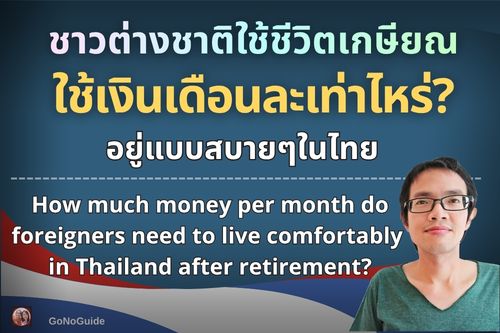
ชาวต่างชาติที่ย้ายมาใช้ชีวิตเกษียณในไทยแบบสบายๆ ใช้เงินเดือนละเท่าไหร่?
ประเทศไทยอาจทำให้ค่าครองชีพลดลงได้ แต่ไม่ได้บังคับให้ใครใช้ชีวิตถูกลง
คนที่อยากใช้ชีวิตเรียบง่ายก็สามารถอยู่ด้วยเงินไม่มากนัก คนที่อยากรักษามาตรฐานชีวิตเดิมก็สามารถใช้เดือนละแสนได้อย่างง่ายดาย เงินของคนต่างชาติที่มาอยู่ไทยส่วนใหญ่จึงไม่ได้หายไปกับ “ค่าใช้ชีวิตในไทย” เพียงอย่างเดียว
แต่มันหมดไปกับสิ่งที่เขาเลือกจะรักษาไว้จากชีวิตเดิม บ้านที่สบาย อาหารที่ชอบ สุขภาพ ความเป็นอิสระในการเดินทาง และความสุขจากการใช้ชีวิตในแบบที่ตัวเองคุ้นเคย
และบางทีนี่อาจเป็นคำตอบที่ตรงที่สุดว่า ทำไมคนหนึ่งอยู่ไทยเดือนละ 30,000 บาทแล้วบอกว่า “สบายมาก” แต่คนอีกคนมี 100,000 บาทยังรู้สึกว่า “เงินหายไปไหนหมด” เพราะสุดท้ายแล้ว ค่าใช้จ่ายไม่ได้วัดแค่ราคาของประเทศไทย แต่วัดจากราคาของชีวิตแบบที่แต่ละคนอยากมีด้วยญได้ดังนี้
⬩➤ ตัวเลขรายจ่ายโดยเฉลี่ยของชาวต่างชาติ ▼
- 30,000 – 50,000 บาท/เดือน: สำหรับคนที่ประหยัด มีบ้าน/คอนโดของตัวเอง ทำอาหารกินเอง ไม่ดื่ม ไม่เที่ยวกลางคืน ไม่มีภาระครอบครัว หรืออยู่อาศัยในต่างจังหวัด
- 50,000 บาท/เดือน: ถือเป็น “มาตรฐานเริ่มต้น” (Baseline) สำหรับการใช้ชีวิตทั่วไปแบบไม่เขียมเกินไป
- 60,000 – 100,000+ บาท/เดือน: สำหรับคู่รักหรือครอบครัวที่ยังต้องเช่าบ้าน กินอาหารนำเข้า เที่ยวบ่อย และจ่ายค่าประกันสุขภาพ
- 100,000 – 200,000+ บาท/เดือน: สำหรับคนที่ชอบเดินทางท่องเที่ยวเป็นหลัก ใช้ชีวิตไลฟ์สไตล์หรูหรา หรือมีกิจกรรมบันเทิงเต็มที่
5 ตัวดูดเงินหลักของชาวต่างชาติในไทย
⬩➤ 1. ที่อยู่อาศัยและความสะดวกสบาย ▼
- ต่างชาติจำนวนมากไม่ได้ย้ายมาไทยเพื่อใช้ชีวิตแบบถูกที่สุด แต่ต้องการความสะดวกสบายเหมือนอยู่บ้านเกิด เช่น ต้องการบ้านกว้างๆ มีครัวดีๆ มีที่จอดรถ ทำเลเดินทางง่าย หรือใกล้ทะเล
- หากซื้อหรือสร้างบ้านเองไปแล้ว รายจ่ายประจำเดือนจะลดลงอย่างเห็นได้ชัด
- หากเลือกเช่า ค่าเช่าบ้านหรือคอนโดอาจสูงตั้งแต่หลักหมื่นไปจนถึง 50,000 บาท/เดือน (ยังไม่รวมค่าน้ำ ไฟ อินเทอร์เน็ต และค่าดูแล)
⬩➤ 2. ค่าอาหารและวัตถุดิบนำเข้า ▼
อาหารไทยตามสั่งราคาถูกจริง แต่ต่างชาติหลายคนไม่อยากปรับตัวเรื่องกิน และอยากรักษามาตรฐานเดิมไว้ การทำอาหารกินเองที่บ้านไม่ได้แปลว่าประหยัดเสมอไป หากใช้วัตถุดิบนำเข้าจากยุโรป เช่น ชีส เนย ครีม เนื้อสัตว์คุณภาพดี ไวน์ เบียร์ หรือวัตถุดิบเฉพาะทางจากซูเปอร์มาร์เก็ตในห้าง ซึ่งมีต้นทุนค่าขนส่งและภาษีสูง จนทำให้ค่าอาหารพุ่งสูงกว่าการออกไปกินข้างนอก
⬩➤ 3. ประกันสุขภาพและค่ารักษาพยาบาล (ก้อนใหญ่ที่สุด) ▼
รายจ่ายประจำเดือนกับเงินที่ต้องมีเพื่อความมั่นคงจริง เป็นคนละเรื่องกัน เมื่ออายุมากขึ้น ค่าใช้จ่ายฉุกเฉิน ยา ทำฟัน หมอ โรงพยาบาล หรือค่าประกันสุขภาพสูงถึงหลักแสนบาทต่อปี บางครอบครัวมีรายได้แสนต้นๆ ก็ยังรู้สึกไม่พอเพราะมีค่าดูแลสุขภาพก้อนนี้เข้ามาแทรก
⬩➤ 4. รถและการเดินทาง ▼
หากไม่ได้อยู่อาศัยในกรุงเทพฯ ที่มีรถไฟฟ้า การเดินทางในต่างจังหวัดหรือพื้นที่ไกลเมืองจำเป็นต้องมีรถยนต์ ซึ่งตามมาด้วยค่าใช้จ่ายประจำที่คอยกินเงินทีละน้อย เช่น ค่าน้ำมัน ค่าบำรุงรักษา ค่าซ่อม ประกันภัย ยาง และแบตเตอรี่
⬩➤ 5. กิจกรรมบันเทิง ไลฟ์สไตล์ และการท่องเที่ยว ▼
หลายคนไม่ได้ย้ายมาเพื่อนอนอยู่บ้าน แต่ต้องการเดินทางท่องเที่ยว เชียงใหม่ ภูเก็ต อีสาน ไปทะเล สังสรรค์ เล่นกอล์ฟ หรือบินกลับประเทศตัวเองปีละหลายครั้ง รายจ่ายส่วนนี้ขึ้นอยู่กับตัวบุคคล บางคนเคยเที่ยวแบบนักท่องเที่ยวหมดเดือนละ 300,000 บาท แต่พอมาอยู่จริงใช้ 90,000 บาท ในขณะที่บางคนใช้เดือนละ 200,000 บาทเพราะเที่ยวตลอดเวลา
⬩➤ ทำไมบางคนอยู่ต่างประเทศประหยัด แต่มาไทยแล้วใช้เยอะ? ▼
มีมุมมองน่าสนใจว่า ตอนอยู่ประเทศบ้านเกิด (เช่น ฝรั่งเศส) อาจไม่ค่อยมีกิจกรรมให้ทำ ทำให้เก็บเงินได้ แต่พอมาอยู่ประเทศไทย ค่าครองชีพพื้นฐานถูกก็จริง แต่กลับมีสิ่งล่อตล่อใจมากมายให้จับจ่าย ทำให้ใช้เงินเพลินกว่าเดิม
⬩➤ สรุป ▼
ประเทศไทยไม่ได้บังคับให้ใครต้องใช้ชีวิตถูกลง ความแตกต่างระหว่างคนที่ใช้เดือนละ 30,000 บาท กับ 100,000 บาท ไม่ได้แปลว่าคนหนึ่งประหยัดและอีกคนฟุ่มเฟือย แต่เกิดจาก “รูปแบบชีวิตที่เลือกจะรักษาไว้” เงินส่วนใหญ่ไม่ได้หายไปกับค่าครองชีพพื้นฐานของไทย แต่หมดไปกับบ้านที่สบาย อาหารที่ชอบ สุขภาพ และอิสระในการใช้ชีวิตแบบที่คุ้นเคย
วิดีโอ: ชาวต่างชาติที่ย้ายมาใช้ชีวิตเกษียณในไทยแบบสบายๆ ใช้เงินเดือนละเท่าไหร่?
How much money per month do foreigners need to live comfortably in Thailand after retirement?
Thailand can lower your living costs, but it doesn’t force anyone to spend less.
Those who want a simple life can easily get by on a small budget. On the other hand, those who want to keep their old lifestyle can easily spend over 100,000 THB a month. A foreigner’s money in Thailand doesn’t just disappear into basic living costs—it goes toward the things they choose to keep from their life back home: a comfortable place, familiar food, good healthcare, the freedom to travel, and the habits that make them happy.
This is why one person can say living on 30,000 THB a month is super comfortable, while another spending 100,000 THB feels like their money vanishes. In the end, your expenses aren’t based on the cost of living in Thailand, but on the cost of the lifestyle you choose to have.:
⬩➤ Average Monthly Expenses for Foreigners ▼
- 30,000 – 50,000 THB/month: For those who live budget-consciously, own their home/condo, cook their own meals, do not drink or go out at night, have no family burdens, or live in upcountry provinces.
- 50,000 THB/month: The standard baseline for general living without being overly strict with money.
- 60,000 – 100,000+ THB/month: For couples or families who rent a home, buy imported food, travel often, and pay for health insurance.
- 100,000 – 200,000+ THB/month: For those who focus heavily on travel, live a luxury lifestyle, or spend a lot on entertainment.
5 Main Expense Drivers for Foreigners in Thailand
⬩➤ 1. Housing and Comfort ▼
- Many foreigners do not move to Thailand just to live as cheaply as possible. They want comfort similar to their home country—such as a spacious house, a good kitchen, parking, a convenient location, or proximity to the beach.
- If they already bought or built a house, their monthly expenses drop significantly.
- If renting, house or condo rentals can range from tens of thousands up to 50,000 THB/month (excluding water, electricity, internet, and maintenance fees).
⬩➤ 2. Food and Imported Ingredients ▼
While local Thai street food is cheap, many foreigners prefer not to change their diet. Cooking at home is not always cheap if they use imported European ingredients like cheese, butter, cream, good-quality meat, wine, beer, or specialty items from supermarket malls. Shipping costs and taxes make these imported items much more expensive than eating out.
⬩➤ 3. Health Insurance and Medical Bills (The Biggest Cost) ▼
Monthly living expenses and the money needed for long-term financial security are two different things. As people age, emergency medical expenses, dental work, doctor visits, hospital bills, or health insurance can reach hundreds of thousands of Baht per year. Some families earning around 100,000 THB/month still feel tight on budget due to these healthcare costs.
⬩➤ 4. Vehicles and Transportation ▼
Unless living in Bangkok with access to the sky train, living in other provinces or outside the city requires a car. This brings small, continuous costs like fuel, maintenance, repairs, insurance, tires, and battery replacements that gradually add up each month.
⬩➤ 5. Entertainment, Lifestyle, and Travel ▼
Many foreigners do not move here to stay home every day. They want to travel to Chiang Mai, Phuket, Isan, or the beach, go out, play golf, or fly back to their home country several times a year. Travel budgets vary greatly: some spent 300,000 THB/month as tourists but dropped to 90,000 THB when living full-time, while others consistently spend 200,000 THB/month because they travel constantly.
⬩➤ Why Do Some Spend More in Thailand Than in Their Home Country? ▼
An interesting point made was that back in their home country (like France), there might not be much to do, making it easier to save money. But in Thailand, even though basic living costs are lower, there are many tempting activities and lifestyle options that make spending money very easy.
⬩➤ Conclusion ▼
Thailand does not force anyone to live cheaply. The difference between someone spending 30,000 THB/month and 100,000 THB/month is not about one being frugal and the other wasteful, but rather the “lifestyle standards they choose to maintain.” Most of the money goes toward a comfortable home, preferred food, healthcare, and the freedom to live a familiar, enjoyable life.
Video: How much money per month do foreigners need to live comfortably in Thailand after retirement?
All videos are in Thai. English audio is available on YouTube (bottom right) → ⚙️ Settings → Audio track → English