
❰ วีซ่าไทย (Thai Visa) ❰ คนไทยในต่างแดน (Thais Abroad)
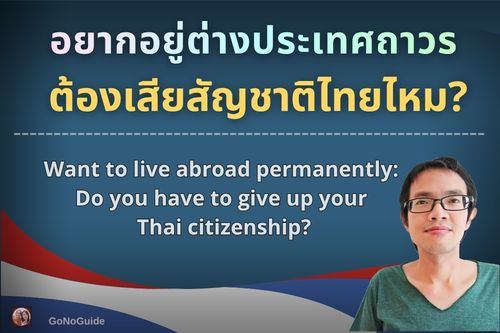
อยากอยู่ต่างประเทศถาวร ต้องเสียสัญชาติไทยไหม?
คำตอบคือ “ขึ้นอยู่กับประเทศที่คุณไปอยู่”
หลายคนมีโอกาสได้ไปอยู่ต่างประเทศแบบถาวร เช่น การแต่งงานและจดทะเบียนสมรสกับชาวต่างชาติ แต่สิ่งที่ต้องรู้ไว้ก่อนเลยคือ บางประเทศเปิดโอกาสให้ถือได้ 2 สัญชาติพร้อมกัน (ถือทั้งสัญชาติไทยและสัญชาติประเทศนั้น) ในขณะที่บางประเทศบังคับให้ถือได้แค่สัญชาติเดียวเท่านั้น
⬩➤ ถ้าประเทศปลายทางบังคับถือสัญชาติเดียว จะเกิดอะไรขึ้น?
หากเราเลือกที่จะแปลงสัญชาติเป็นคนประเทศนั้น เราจะต้องยอม สละสัญชาติไทย ซึ่งหมายความว่า:
- เสียสถานะความเป็นคนไทย: เราจะถือพาสปอร์ตไทยไม่ได้อีกต่อไป และกลายเป็นชาวต่างชาติเต็มตัว
- กลับไทยในฐานะคนต่างชาติ: หากต้องการเดินทางกลับมาประเทศไทย ก็ต้องปฏิบัติตามกฎระเบียบและเงื่อนไขวีซ่าของไทย เช่น เข้ามาด้วยสิทธิ์ฟรีวีซ่าสำหรับท่องเที่ยว หรือต้องยื่นขอวีซ่าเพื่อให้อยู่ได้ตามระยะเวลาที่กำหนด
⬩➤ ตัวอย่างประเทศที่บังคับถือสัญชาติเดียว
- เนเธอร์แลนด์: ผู้ที่ขอสัญชาติดัตช์จะต้องสละสัญชาติเดิม (ยกเว้นเข้าเงื่อนไขยกเว้นเฉพาะบางกรณี)
- ญี่ปุ่น: มีกฎหมายเรื่องสัญชาติที่เข้มงวด หากเลือกเป็นคนญี่ปุ่นต้องสละสัญชาติเดิมทันที
- สิงคโปร์: ไม่อนุญาตให้ผู้ใหญ่ถือ 2 สัญชาติ เมื่อได้สัญชาติสิงคโปร์แล้วต้องสละสัญชาติเดิม
(หมายเหตุ: บางประเทศเคยบังคับสละสัญชาติ แต่มีการปรับเปลี่ยนกฎหมายในภายหลัง เช่น เยอรมนี ที่เริ่มอนุญาตให้ถือ 2 สัญชาติได้ตั้งแต่ปี 2024)
⬩➤ ไม่อยากสละสัญชาติไทย มีทางเลือกอื่นไหม?
หากไม่อยากเสียสัญชาติไทย แต่ต้องการอยู่อาศัยในประเทศนั้นระยะยาว สามารถเข้าใจระดับสถานะทางกฎหมายในการอยู่อาศัยต่างประเทศได้ 3 ขั้น ดังนี้:
ขั้นที่ 1:
วีซ่าระยะยาว / วีซ่าถาวร (Permanent Visa): อยู่ประเทศนั้นได้ยาวๆ หรือไม่มีกำหนด แต่จะไม่ได้สิทธิประโยชน์เหมือนคนชาตินั้น เช่น สิทธิ์การรักษาพยาบาลบางอย่าง
ขั้นที่ 2:
ถิ่นที่อยู่ถาวร (Permanent Residence – PR): ได้รับบัตรประจำตัวประชาชนของประเทศนั้น สามารถอยู่อาศัยและทำงานได้ยาวๆ โดย ไม่ต้องสละสัญชาติไทย และยังคงถือพาสปอร์ตไทยอยู่ เพียงแต่ขั้นตอนการเดินทางออกนอกประเทศอาจต้องยื่นขออนุญาต Re-entry ตามกฎหมายของประเทศนั้นๆ
ขั้นที่ 3:
การแปลงสัญชาติ (Citizenship): ได้เป็นพลเมืองเต็มตัว ได้ถือพาสปอร์ตของประเทศนั้น มีสิทธิ์เลือกตั้ง และทำงานได้เต็มที่โดยไม่มีข้อจำกัด แต่สำหรับประเทศที่บังคับถือสัญชาติเดียว ขั้นนี้จำเป็นต้องสละสัญชาติไทย
⬩➤ ตารางเปรียบเทียบ: PR vs Citizenship
| ถิ่นที่อยู่ถาวร (PR) | พลเมือง (Citizenship) |
| ผู้อยู่อาศัยถาวร | พลเมืองของประเทศนั้น |
| ไม่ต้องสละสัญชาติ | ต้องสละสัญชาติ (เฉพาะบางประเทศ) |
| ถือพาสปอร์ตไทย | ได้รับพาสปอร์ตประเทศใหม่ |
| ทำงานได้ แต่อาจมีข้อจำกัดบางประเภท | ทำงานได้เสรีเหมือนคนท้องถิ่น |
| ไม่มีสิทธิ์เลือกตั้ง/สมัครรับเลือกตั้ง | มีสิทธิ์เลือกตั้งและสมัครรับเลือกตั้ง |
⬩➤ สละสัญชาติไทยไปแล้ว แต่อยากกลับมาอยู่ไทยยาวๆ ต้องทำอย่างไร?
สำหรับคนที่สละสัญชาติไทยไปแล้ว แต่ในอนาคตต้องการเดินทางกลับมาอยู่ประเทศไทยระยะยาว สามารถทำได้ดังนี้:
- ระยะสั้น: เข้าไทยด้วยสิทธิ์ฟรีวีซ่า (ขึ้นอยู่กับพาสปอร์ตประเทศที่ถืออยู่) หรือขอวีซ่าท่องเที่ยว ซึ่งสามารถยื่นขอขยายเวลาอยู่อาศัยเพิ่มได้ตามขั้นตอน
- ระยะยาว: สามารถยื่นขอ วีซ่า Non-O สำหรับผู้ที่เคยมีสัญชาติไทย (หรือผู้ที่สละสัญชาติไทย) โดยขั้นตอนแรกจะได้รับอนุญาตให้อยู่ได้ 90 วัน จากนั้นสามารถยื่นขอต่ออายุวีซ่าเป็นรายปี (ครั้งละ 1 ปี) ได้เรื่อยๆ
เนื่องจากขั้นตอนการขอคืนสัญชาติไทยค่อนข้างยุ่งยากและมีเงื่อนไขซับซ้อน การเลือกถือสถานะ PR (Permanent Residence) จึงเป็นทางเลือกที่ได้รับความนิยมสำหรับคนที่ไม่ต้องการเสียสัญชาติไทยตั้งแต่แรก
วิดีโอ: อยากอยู่ต่างประเทศถาวร ต้องเสียสัญชาติไทยไหม?
Want to live abroad permanently: Do you have to give up your Thai citizenship?
The answer is “it depends on the country you live in.”
Many people have the opportunity to live abroad permanently, such as through marriage and getting legally married to a foreigner of that country. However, the first thing you need to know is that some countries allow you to hold dual citizenship (holding both Thai citizenship and that country’s citizenship), while other countries require you to hold only one citizenship.
⬩➤ What happens if your destination country requires single citizenship?
If we choose to naturalize as a citizen of that country, we must agree to renounce Thai citizenship, which means:
- Loss of Thai status: We can no longer hold a Thai passport and become a full foreign national.
- Returning to Thailand as a foreigner: If we want to travel back to Thailand, we must follow Thailand’s visa rules and conditions, such as entering under a visa-exempt status for tourism or applying for a visa to stay for a limited period.
⬩➤ Examples of countries requiring single citizenship
- The Netherlands: Those applying for Dutch citizenship must renounce their original citizenship (unless meeting specific exemption conditions).
- Japan: Has strict citizenship laws; if you choose to become Japanese, you must renounce your original citizenship.
- Singapore: Does not allow adults to hold dual citizenship; once you obtain Singaporean citizenship, you must renounce your original citizenship.
(Note: Some countries used to require renouncing previous citizenship, but updated their laws later, such as Germany, which began allowing dual citizenship in 2024.)
⬩➤ Don’t want to give up Thai citizenship: Are there other options?
If you do not want to lose your Thai citizenship but want to reside in that country long-term, you can understand the 3 legal levels of residency status as follows:
Level 1:
Long-Term Visa / Permanent Visa: Allows you to stay in that country long-term or indefinitely, but you will not receive the same benefits as citizens of that country, such as certain healthcare rights.
Level 2:
Permanent Residence (PR): You receive an identity card of that country, can live and work there long-term without giving up Thai citizenship, and still keep your Thai passport. However, leaving the country may require applying for a Re-entry permit according to that country’s laws.
Level 3:
Naturalization (Citizenship): Becoming a full citizen, holding that country’s passport, having voting rights, and working freely without restrictions. However, for countries that enforce single citizenship, this step requires renouncing Thai citizenship.
⬩➤ Comparison: PR vs Citizenship
| Permanent Residence (PR) | Citizenship |
| Permanent Resident | Citizen of that country |
| No need to renounce | Must renounce (in some countries) |
| Hold a Thai passport | Receive a new country’s passport |
| Can work, but may have restrictions on certain jobs | Can work freely like locals |
| No right to vote or run in elections | Has the right to vote and run in elections |
⬩➤ Renounced Thai citizenship, but want to return to Thailand long-term: What to do?
For those who have renounced Thai citizenship but want to return to live in Thailand long-term in the future, you can do the following:
- Short-term: Enter Thailand using visa-exemption rights (depending on the passport held) or apply for a tourist visa, which can be extended following regular procedures.
- Long-term: You can apply for a Non-O Visa for former Thai citizens (or those who have renounced Thai citizenship). Initially, you will be granted a 90-day stay, and after that, you can extend your visa on a yearly basis (1 year at a time) continuously.
Since the process of regaining Thai citizenship is quite complicated and involves detailed requirements, choosing to hold PR (Permanent Residence) status is a popular option for those who do not want to lose their Thai citizenship in the first place.
Video: Want to live abroad permanently: Do you have to give up your Thai citizenship?
All videos are in Thai. English audio is available on YouTube (bottom right) → ⚙️ Settings → Audio track → English
📑 Guide to Traveling with Dual Passports (For Dual Citizens)